High in the mountains of Aragatsotn province, just 30 kilometers from Yerevan, something unprecedented is being built for Armenia’s wildlife — and it’s already saving lives.
The Ushi Bear Cubs Rehabilitation & Adaptation Center, developed by our partner FPWC with support from donors like you, is the first facility in Armenia — and the region — designed specifically for orphaned bear cubs. Its purpose is not just to shelter them, but to prepare them for release back into the wild.
Why Ushi? Why now?
Every spring in Armenia, orphaned bear cubs arrive at FPWC’s Wildlife Rescue Center in need of immediate care. Unlike adult rescue bears — many of whom were kept for years in restaurants, hotels, and private backyards — these cubs have a real chance at a wild life. But only if humans stay out of the way.
That is the founding principle behind Ushi: a strict no-contact rehabilitation model in which cubs are fed, monitored, and cared for without any visual or physical human presence. They are encouraged to dig, forage, hide, and explore. Veterinary care is conducted discreetly. The entire system is designed to ensure that whenthese cubs are finally released, they are fully wild.
What has been built
Phase 1 of construction is now complete. The site includes:
- A reinforced gabion and wall perimeter system — 3.1 meters high with a one-meter underground anti-digging barrier, engineered specifically for bears
- Enclosure foundations, natural habitat elements including rocks, logs, dens, and soil mounds, and a recirculating stream system that mimics natural waterways
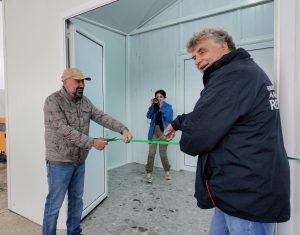
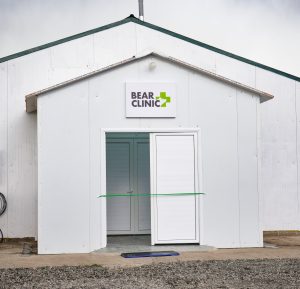
- A veterinary facility and dedicated keeper housing on site
- CCTV installation underway for round-the-clock, low-intrusion monitoring
The architectural master plan, enclosure layouts, and welfare-oriented design are complete. The remaining phase — climbing canopy, additional dens, enrichment structures, and full CCTV integration — is the final step before the center is ready to receive cubs for the advanced stage of rewilding.
Three cubs in care right now
Currently, three rescued orphaned cubs are living in a strict no-contact enclosure at FPWC’s existing Urtsadzor Bear Rescue Center while Ushi is finalized. Their upkeep — milk formula, fresh food, veterinary treatment, enrichment, and daily monitoring — is ongoing. The most recently rescued cub arrived just weeks ago and is already adapting well to the no-contact system.
Three more cubs are expected in spring 2026, in line with annual patterns.
What comes next
With construction nearing completion, the next critical phase begins: transferring the current cubs to Ushi for advanced rewilding, preparing the site for the spring intake, and launching a satellite-collar tracking program so that each released bear can be monitored for 12 months post-release by FPWC rangers in the field.
This final year of rehabilitation is the most resource-intensive — and the one that determines whether these cubs can survive on their own.
How you can help
The Ushi Center represents something Armenia has never had before: a scientifically grounded, welfare-first pathway from rescue to release for its most iconic wildlife. Every contribution brings these cubs one step closer to the mountains that are their birthright.